The month closed clean

Accounting Firms Austin AlternativeClose the books with one person

We keep the books until the bank agrees, then hand you statements you can read. Steven Palmieri holds the close in the Tax CFO role and carries the Entrepreneur's CFO name. Payroll stays on your provider, and the return waits. We are all Texans, and owners in Austin meet us on a video call from Dallas.

Gold words on a navy card, the same person every month
Open the books form

Where the books disagree.

Steven Palmieri, Tax CFO

You will be talking to the Steven Palmieri practice.

Navy card with the words accounting firms Austin and a gold cursor

Six troubles in the books

Open one and read who holds it.

  1. 1Bank and books disagree

    One named closer on the month

    Each feed line is matched until the difference has a name and a place in the file.

  2. 2Payday has no provider yet

    Setup with the provider you already want

    Registrations get lined up. That provider runs payday after the setup is finished.

  3. 3A letter wants a signature

    We read the letter with you

    A signature the Texas rule reserves leaves this practice for a practice allowed to sign.

  4. 4Sales tax is due near the 20th

    Tax forms wait on finished months

    The state rate is 6.25 percent and the local piece in Austin is 2 percent, split as 1 percent for the city and 1 percent for Capital Metro.

  5. 5May franchise sheet

    The public information report still gets prepared

    A year under the no-tax-due line can still need that short public sheet in May.

  6. 6Two people, one file

    One person owns the close

    A pool of hands leaves the last edit with nobody to call when the bank asks.

Name the trouble.

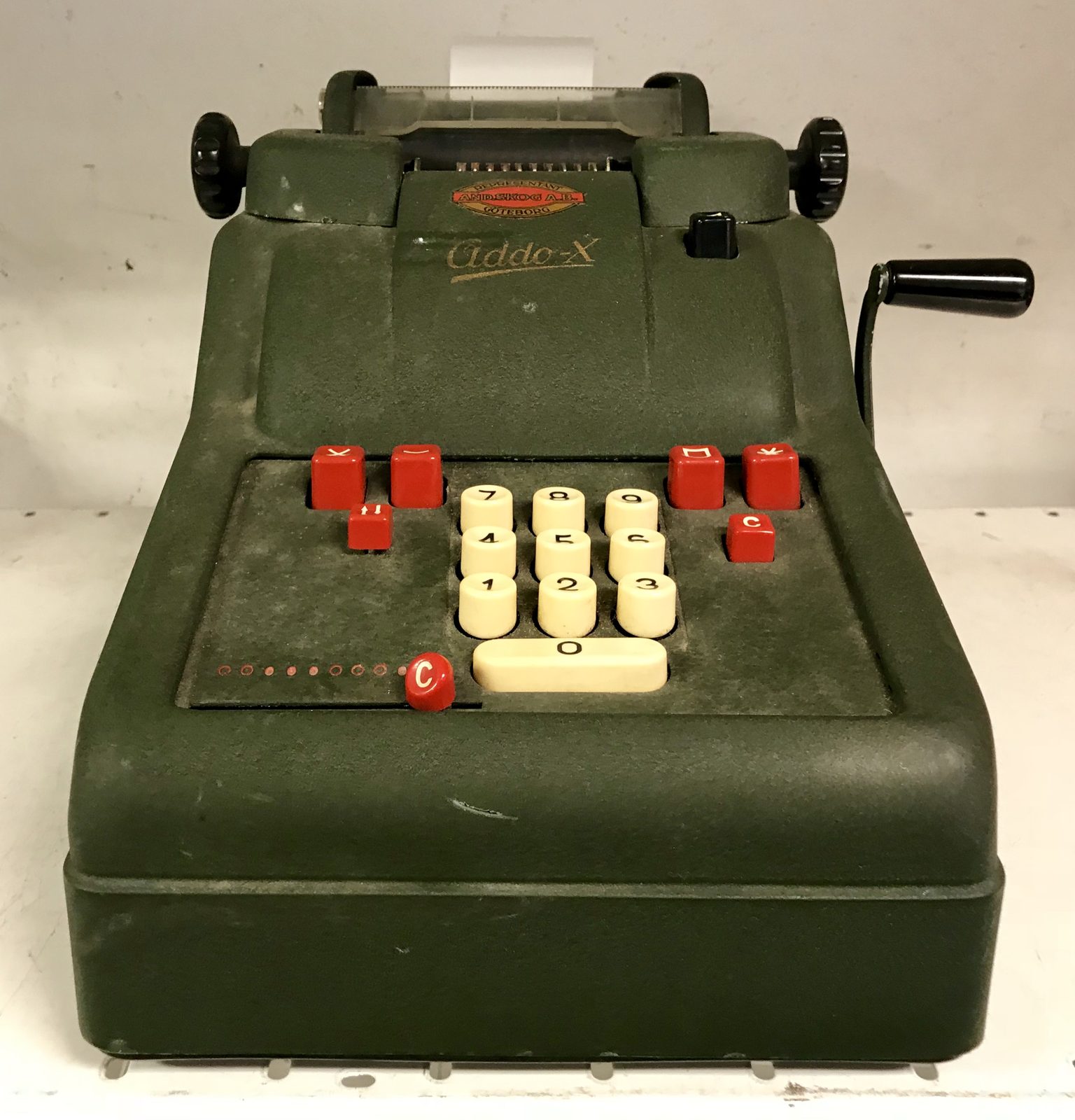
A green adding machine with a paper tape and number keysSteven Palmieri, Tax CFO

Steven Palmieri, Tax CFO.

The Entrepreneur's CFO. We answer on a video call, and the books are the work.

Name the books that will not tie, and we will answer on a video call.

Name the open books
Inside a finished month.

We call the books finished when the bank activity and the books already agree. Deposits, card charges, loan payments, and owner draws each have a name. Nothing is left in a suspense pile because the return is coming up. The close is a habit with a date the owner picked, and the same date holds in a hot month and a quiet one.

The bank feed is a convenience, not a verdict. A feed can drop a transfer, double a deposit, or park a payment in a category that made sense once and does not make sense now. The loop we use is simple. Pull the feed, match what matches, and give every leftover line a reason before the month is called finished. A reconciliation report that still shows an unknown difference is an open month, whatever the calendar says.

Owners in Austin often arrive with a year of activity and a return they hope will sort it out. The return can only repeat what the months already say. If March never tied, March is the work, and the return waits. We hold that return until each reconciliation has a name and the bank has agreed to the month. We would rather show a short list of open items than a smooth total that the bank will not support.

Categories stay put once they match how the company actually makes money. Changing the chart every quarter makes this year impossible to compare with last year. New accounts are added when the work changed, not when a feed suggested a new label. That is the whole trick of a chart that still means something in December.

Every Texan with a child in a school in Austin knows the year bends around the first bell. We can all appreciate a year that turns on that bell, and the books are finished only when the bank agrees and one name is on the close.

Every Texan can tell a second downtown from the older streets. Austin grew one at the Domain and still calls the first downtown home. We read a firm directory the same way, a famous name in front and the month still unsigned behind it.

Payday, then the provider.

Payday on this site means setup. The owner already has a provider, or picks one, and that provider runs payday after the registrations are lined up. The checks stay on the provider side of the arrangement. We make the company ready for that provider, and we keep the books able to receive the result each month.

A provider change in the middle of a quarter is a common snag for owners in Austin who outgrew a homemade sheet. The setup names the first check date, the people who should be in the file, and the accounts the result should land in. After that, the provider's reports come back into the month like any other statement. If those reports do not tie, the month stays open.

Owners sometimes ask us to run the checks ourselves. That is a different product from the one these pages describe. The work here is the close, the statements that carry no attest report, and the return built from closed months. After setup, the checks stay with the provider the owner already runs.

Every Texan knows Loop 1 in Austin by the name MoPac, because the old railroad still sits in the median. We can all appreciate a nickname that stuck. Two logins feel helpful until the bank asks who made the last change, and we answer with one name.

What the return waits on.

Tax forms on this address are drafted only from months someone here has already marked finished. Federal forms in ordinary owner companies are the individual return, the partnership return, the S corporation return, and the C corporation return. The right form follows the federal election, not the label on the state filing that created the company.

Texas has no personal income tax. That fact does not empty the calendar. Franchise tax still has a May rhythm, and a year under the no-tax-due line can still need the public information report. Every Texan who has paid a fare in Austin can appreciate that the transit piece has a name. Sales tax for a seller in Austin is due around the 20th, at 8.25 percent made of the 6.25 percent state rate plus 2 percent local, and that local 2 percent is itself split as 1 percent for the city and 1 percent for Capital Metro, also called the Austin MTA. We still will not file an unnamed deposit as if the month were finished.

Estimates, when they apply, are set from the year that is actually happening. Last year's bill divided into four even pieces is a guess we will not repeat if the months already show a different shape. By the time a return is ready to sign, the owner has already seen the months that built it.

A notice from a tax agency is read for what it actually asks. Some notices want a missing page. Some want a signature this practice cannot give, and those go to a practice the Texas rule allows to sign. We say which kind it is before anyone writes a check or ignores a letter.

A house-value notice for an address in Austin is mailed by the Travis Central Appraisal District, and we leave that envelope beside the company books rather than inside them. We read that notice the way any Texan would, as a house paper, and we keep it out of the company reconciliation. A house notice is a different paper from the company books. The books the bank already agrees with are the papers we would bring, and we would not mix that notice into the company file just because both papers arrived in the same week.

Say which books will not tie on the form above, or choose a video slot on the calendar, and we will start there. Owners in Austin join by video, open the same file, and keep the close on the day that was named. On that call we match the bank lines one by one, name every leftover, and leave the return waiting until those lines agree.

Every Texan has heard that Franklin sells out of brisket. We can all appreciate a line that famous, and the company still has to choose its tax form in writing before the first return.

Every Texan who sells in Austin knows the 8.25 percent total, state tax plus a local 2 percent, due near the 20th. We can all appreciate a rate that is printed in public. We still close the month before anyone files it.